

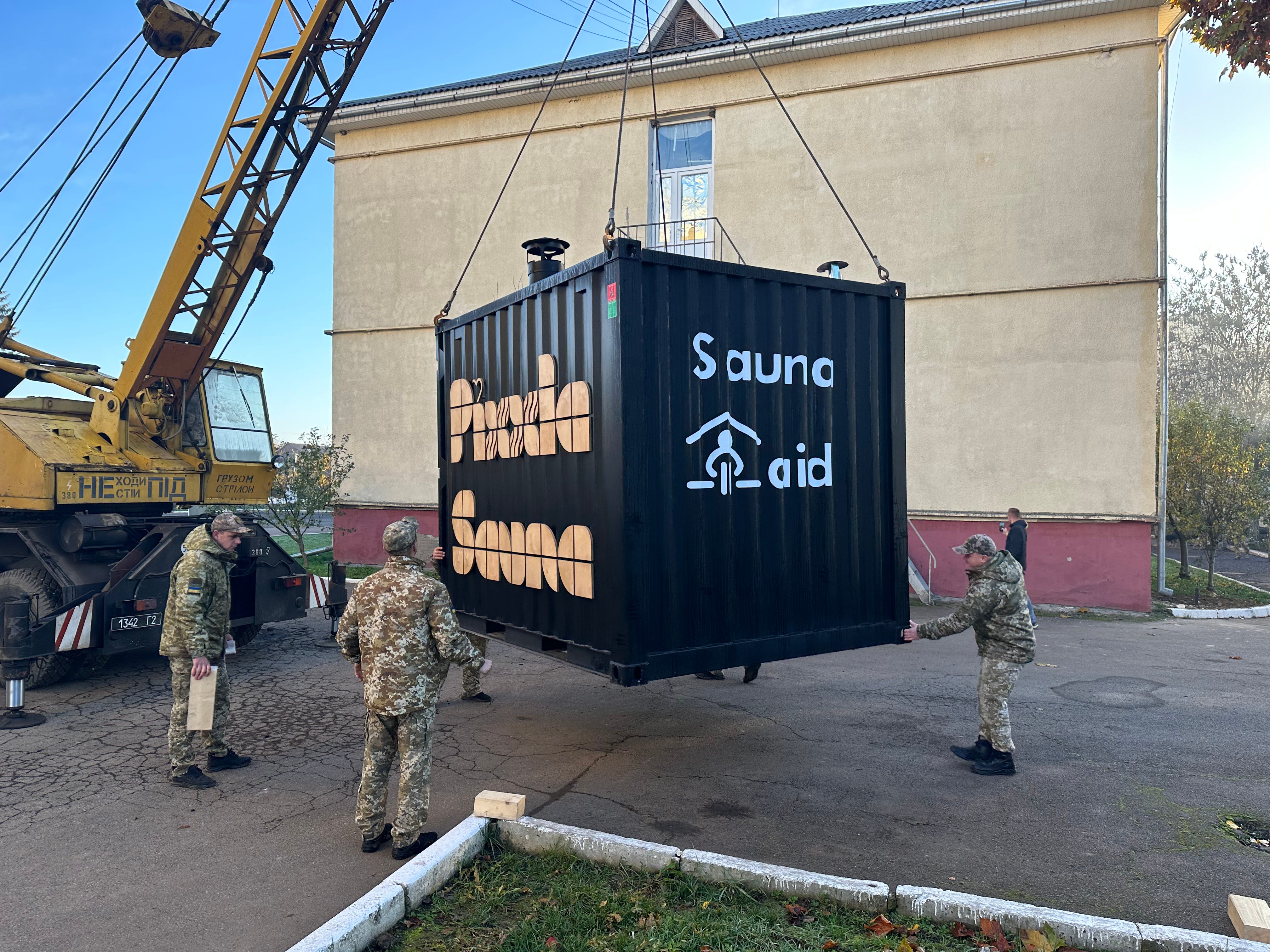
Bathing can be an act of resistance, a way to reclaim the body, restore dignity, and stay human when everything around you is breaking down. That’s the work of Sauna Aid, bringing mobile saunas to communities facing war, displacement, and loss and offering a place to sit, breathe, and reset. Co-founded by Mikkel Aaland, it is a modest intervention with real impact. Below, we speak with Mikkel about why Sauna Aid’s work is so impactful, and with Azar Eskandarpour, a humanitarian aid worker and resilience scholar, on what she’s observed about bathing in crisis zones.
Support this work by upgrading to a paid subscription—plus, Firefly Sauna is backing the effort with a tent kit promotion.
Sauna Aid provides heat as a healing power
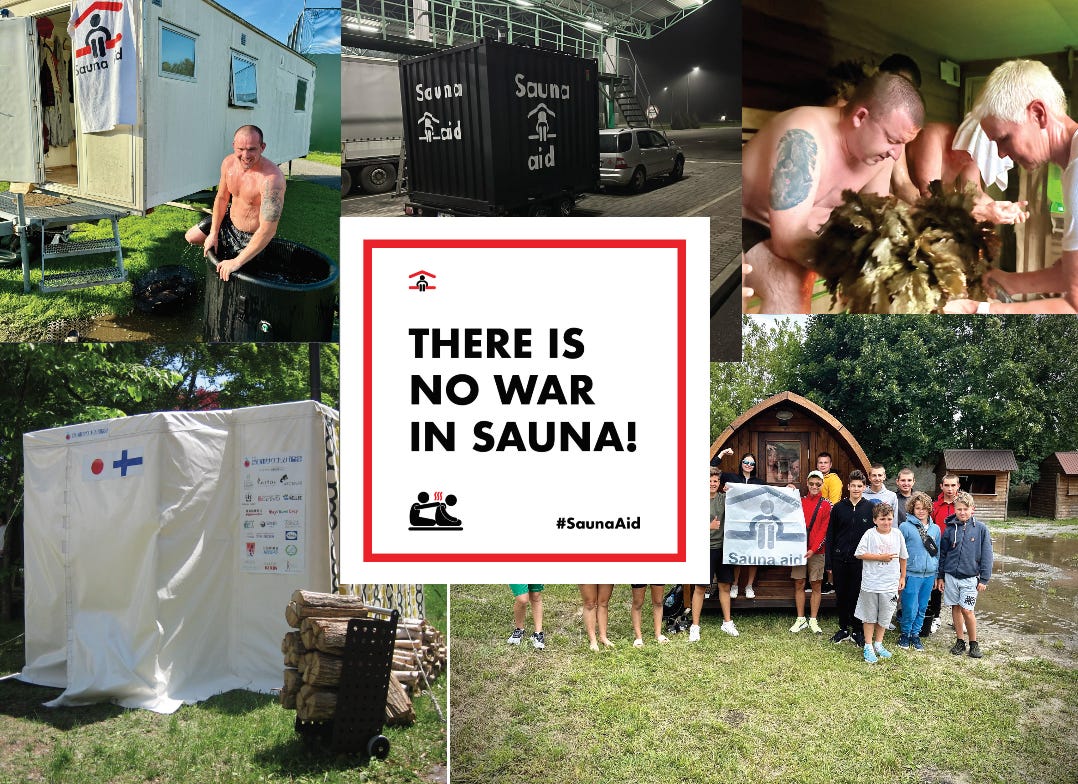
When Russia invaded Ukraine four years ago, the shocking moment motivated Mikkel Aaland to act. The Sweat author remembered how sauna helped sufferers of Japan’s 2011 Fukushima disaster decontaminate from radiation, and later find relief. He rallied the bathing community to do the same for Ukraine by setting up Sauna Aid. With International Sauna Association, the nonprofit’s first mission was to send a mobile sauna convoy to refugee camps in the border city of Kharkiv, in 2022.
Access to heat is helping people find relief from ongoing conflict, restore from fatigue, and find ways to rebuild community. At Nebo Beach in south Ukraine, Sauna Aid plans to build a permanent public sauna. The global initiative also provides sauna services and funding to Repower’s recovery programs for frontline medics.
“For the firefighters of LA’s devastating wildfires last year, we provided two saunas to help them detox and recover from physical and emotional stress.”
Mikkel Aaland
Sauna Aid has since been expanding its reach. Mikkel says: “For the firefighters of LA’s devastating wildfires last year, we provided two tent saunas to help them detox and recover from physical and emotional stress.” He finds the initiative has most impact where there is already a history of bathing. Most recently, that’s with the Utah-based MMIR movement (Missing and Murdered Indigenous Relatives), with a focus on women and girls.
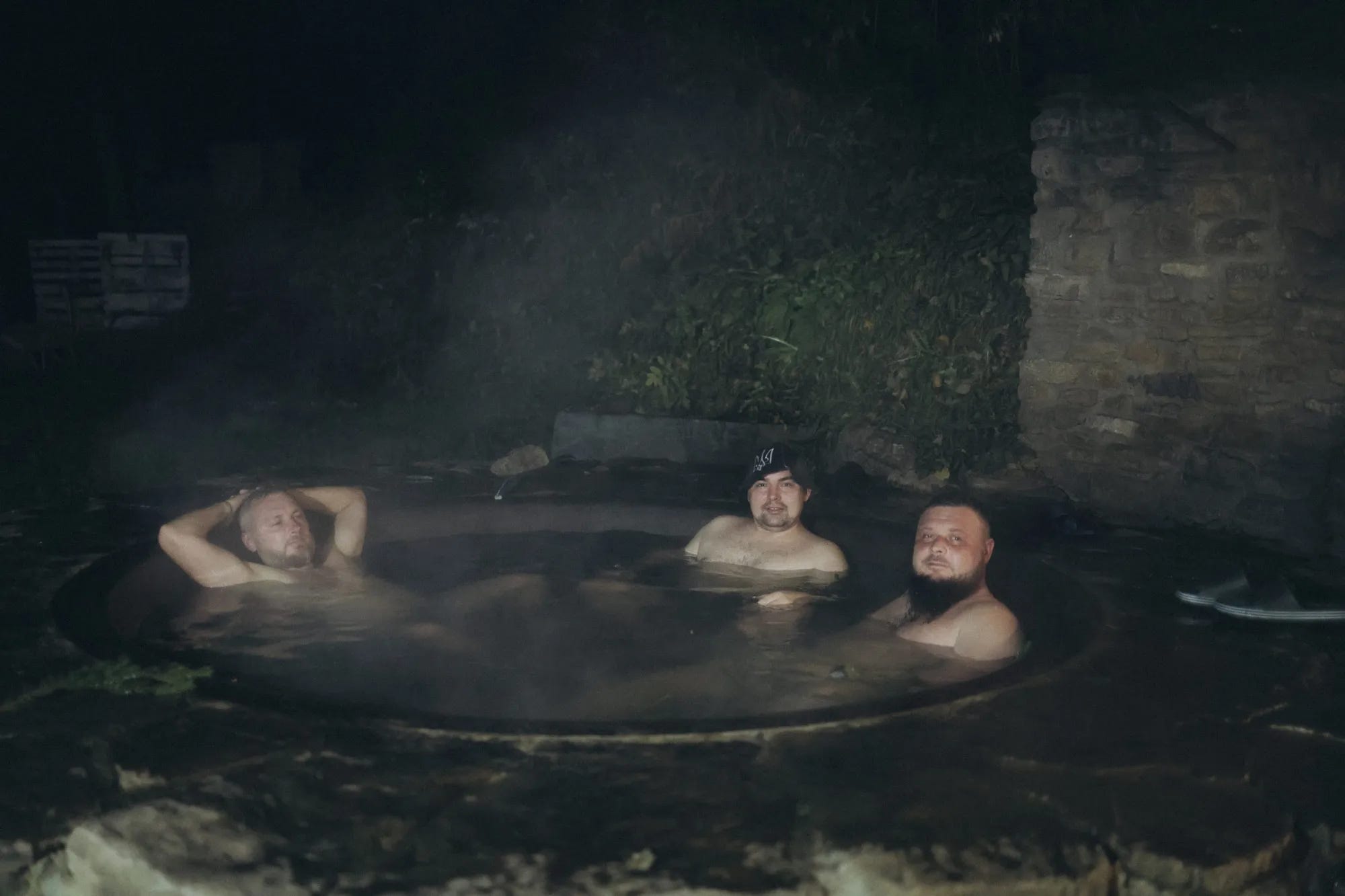
“The long-term goal is for sauna to be part of the tool box used by much larger international NGOs,” says Mikkel. Along with developing its trauma-informed training program for bath attendants, it has plans for a fleet of mobile sauna units to be deployed rapidly in disaster areas. As Sauna Aid grows, the mission remains fundamental. “More than anything, it’s an idea,” he says. “About how sauna and bathing traditions can be employed to bring comfort, healing, and hope during times of crisis.”
Buy a Firefly Sauna tent kit and support Sauna Aid
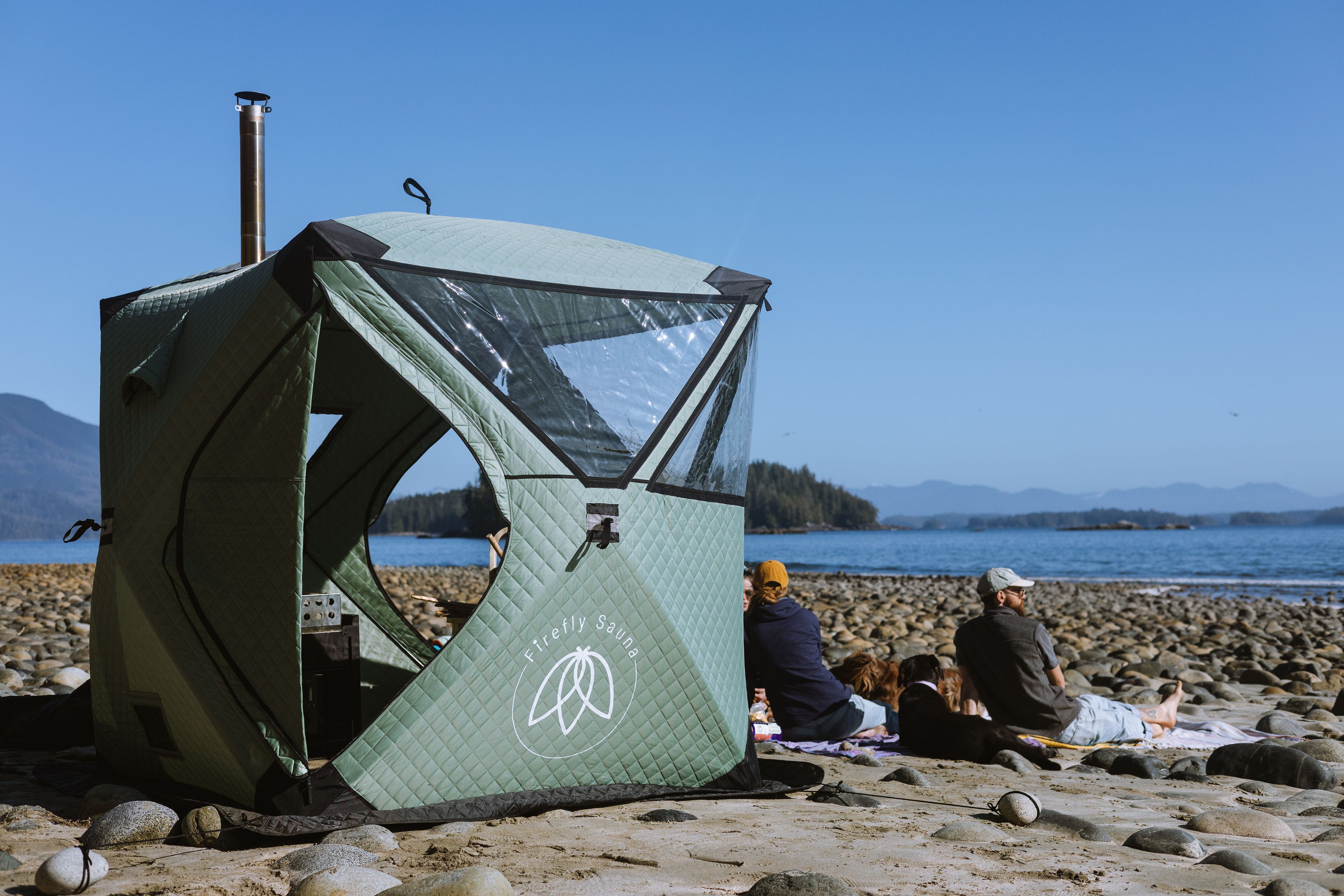
News from the good folk at Firefly Sauna. In a special promotion on the Firefly Spark Sauna Kit, they’re donating 100% of the first sale to Sauna Aid, and 15% of each kit sold after (until the end of April). The kit includes all you’ll need to get your sweat on in the great outdoors:
All-weather portable Spark Tent for 2-5 people
Firefly wood-burning stove that heats to 200°F in 20 minutes
Foldable bench
Sauna bucket & ladle
Rock basket
Sauna rocks
Heat resistant gloves
Firefly travel bag
Instruction manual
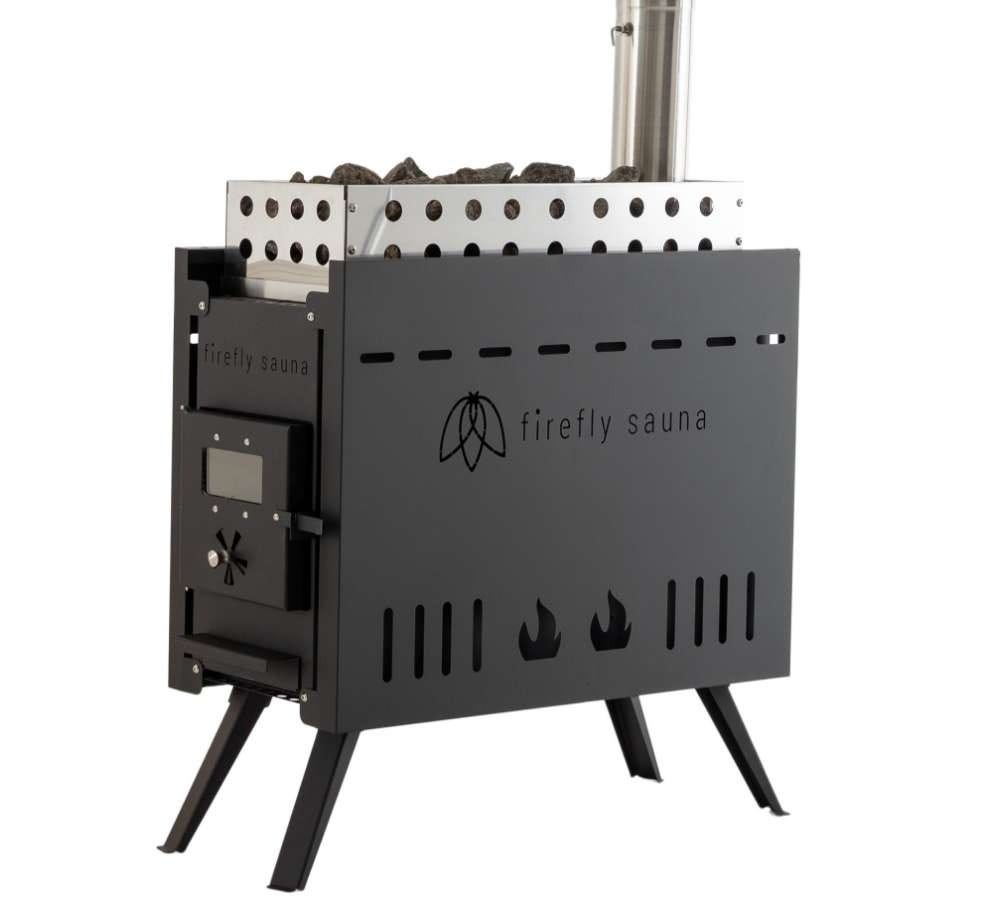
“A tent sauna is about simplicity, portability, and affordability,” says Mikkel. “In my experience, their size and design create a sense of intimacy among bathers that feels especially immediate and deeply satisfying.”
Buy the kit as a bundle now to get a discount on the usual price. You’ll also get free shipping, a free sauna hat, and a free Saint Lucie sauna serum.
How bathing builds resilience
Text by Azar Eskandarpour
In her 20 years as a humanitarian aid worker, resilience scholar and thermal bather, Azar has experienced the powerful role global bathing traditions play in strengthening communities. She shares her research on how bathing builds resilience.
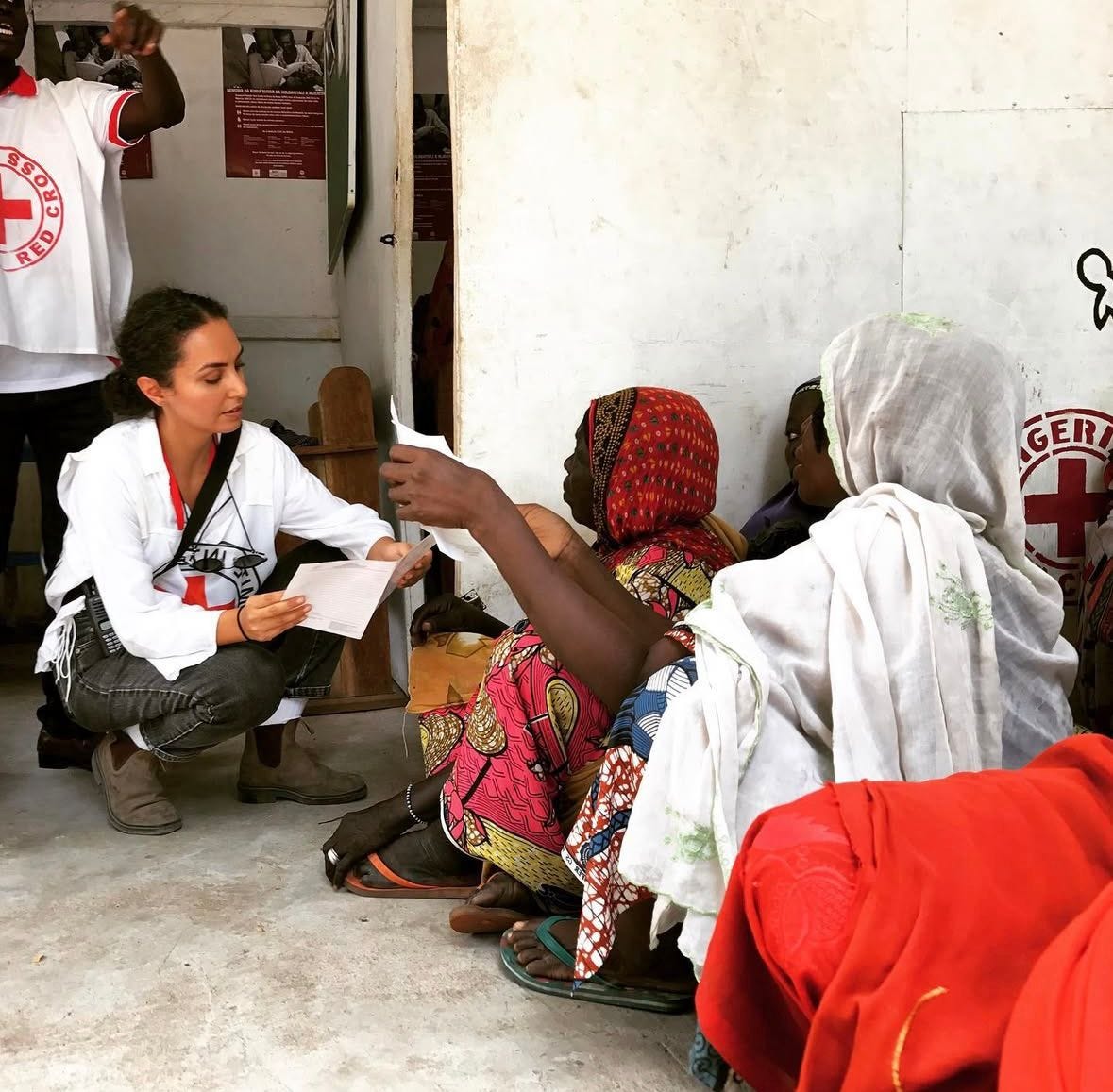
Bathing cultures have survived millennia because they carry deep value and utility for people across the world, especially in difficult times. As an aid worker, I have spent most of my adult life working on the front lines of war zones, situations of violence and man-made crises. From my first assignment in Afghanistan, to El Salvador, Nigeria, South Sudan and Mexico, I have chased deep heat to stay well.
“Bathing cultures have survived millennia because they carry a deep value and utility for people across the world, especially in difficult times.”
Azar Eskandarpour
In this time I’ve bathed in hundreds of onsens, hammams, saunas, temazcals, and thermal waters. Bathing cultures and their rituals have helped me heal and process what I’ve witnessed in my career, transforming pain into strength, and sorrow into resilience.
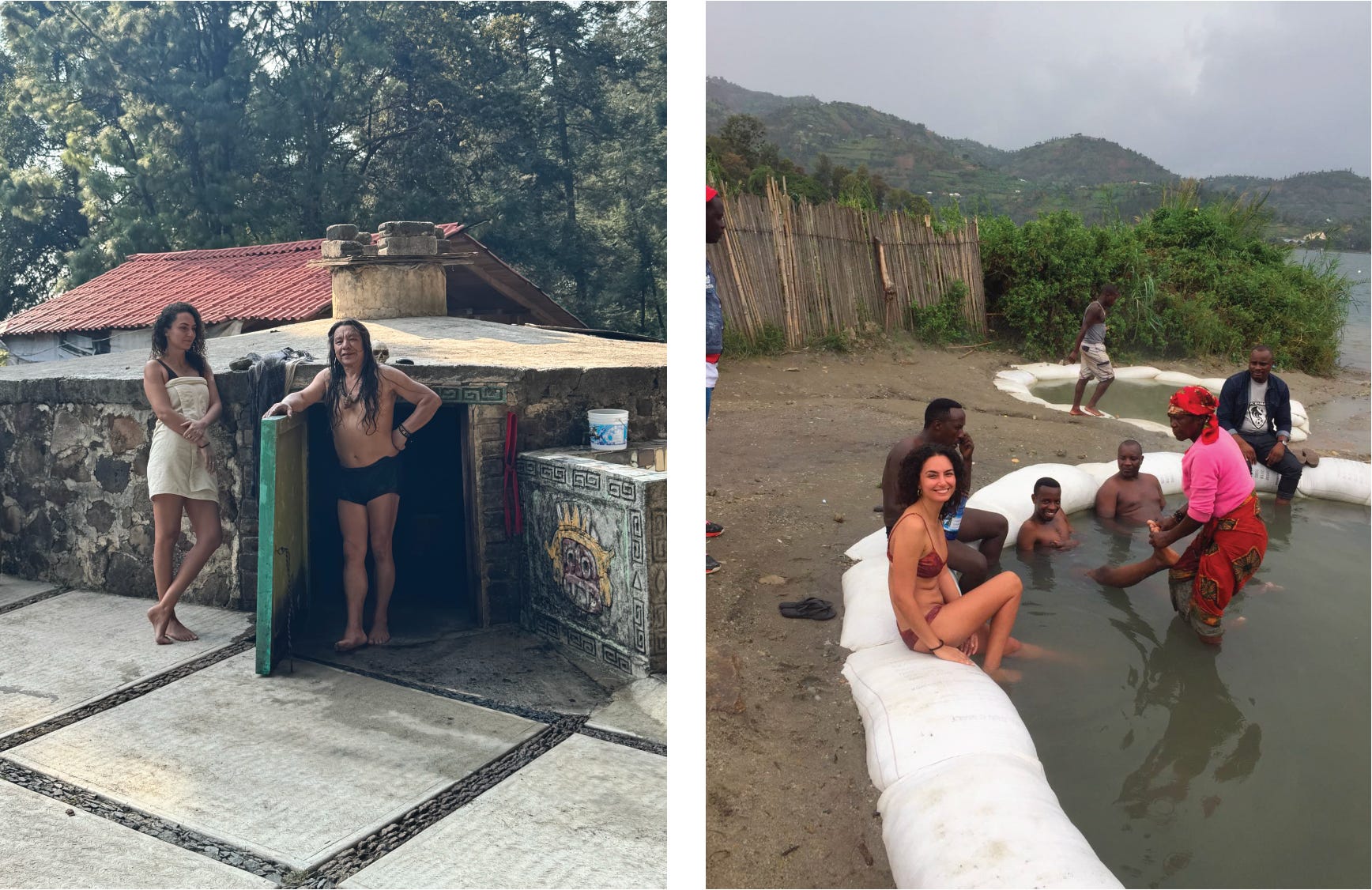
My research shows that resilient communities all over the world share internal and external characteristics that help them adapt in times of crisis. Incredibly, bathing culture also fosters some of these same requirements for resilience.
The first is that putting one’s body through the stress of heat and cold exposure fosters a sense of agency. The belief that you can do hard things. The physical effects of this stress exposure also promote cognitive skills. Production of serotonin and dopamine support feelings of optimism and hope which are essential when adaptation and problem solving are required in difficult times.
“Putting one’s body through the stress of heat and cold exposure fosters a sense of agency. The belief that you can do hard things.”
Azar Eskandarpour
Shared bathing spaces often come with norms, etiquette and high levels of social engagement. These build social capital and stronger social and community cohesion as strangers learn to be in relation respectfully. Bathhouses are also place based. They draw those with common residency, who often share culture and community identity. Repeat visitors and a sense of belonging to place and culture help in building trust, networks and sources of relevant information. These are all resources required for problem solving, adaptation and resilience. All fostered and promoted while bathing!
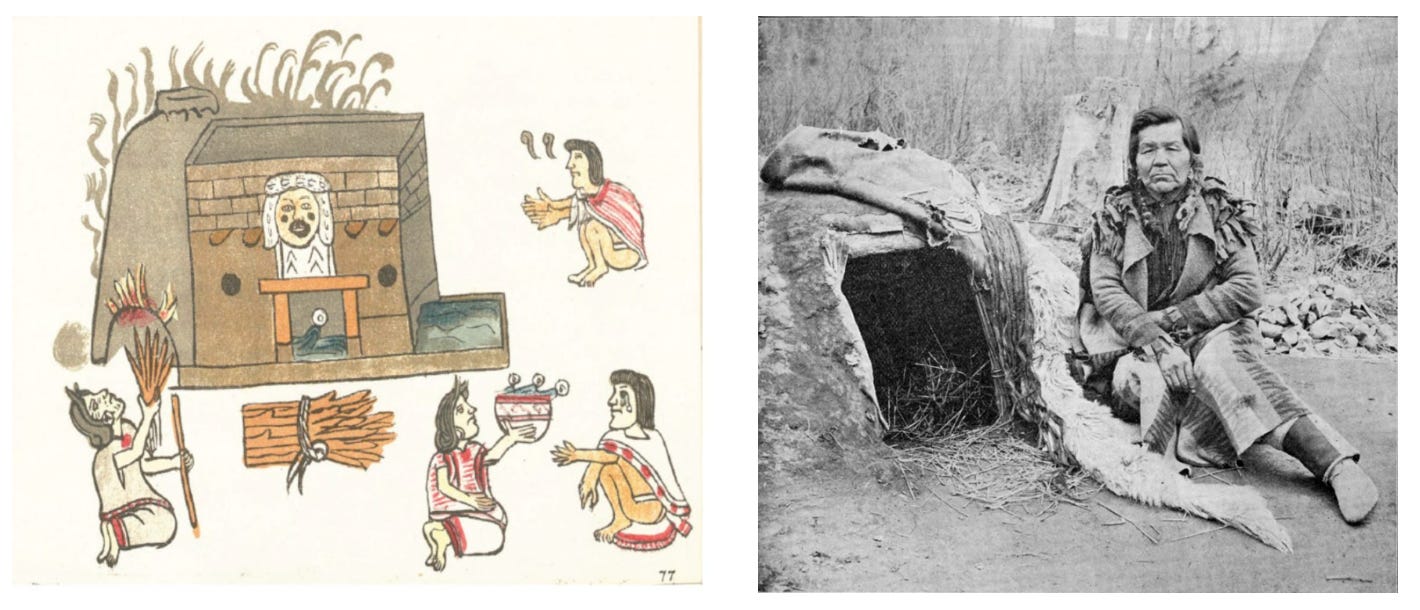
What I have found is that it’s the social aspect of bathing culture that has the most impact on fostering resilience. We see this in North America’s Indigenous communities where bathing practices connect people to their culture, ancestry and healing practices. Sweat lodges were banned in Canada under the Indian Act (1925-1951) and by government officials in the US, forcing them to go underground during a regime of colonisation.
Similarly in Mexico, while there was no single decree to ban the temazcal, colonial authorities, particularly the Church and the Inquisition, actively sought to eradicate the practice. Luckily these traditions have survived due to the stewardship of Indigenous elders and healers.
“The sweat lodge is our medicine, it’s for healing, from trauma(s), grief and sorrow, from losing a loved one, sadness, loneliness, a feeling of not belonging, addiction, experiences of violence and being abused.”
Elder Howard, ShÍshálh Nation
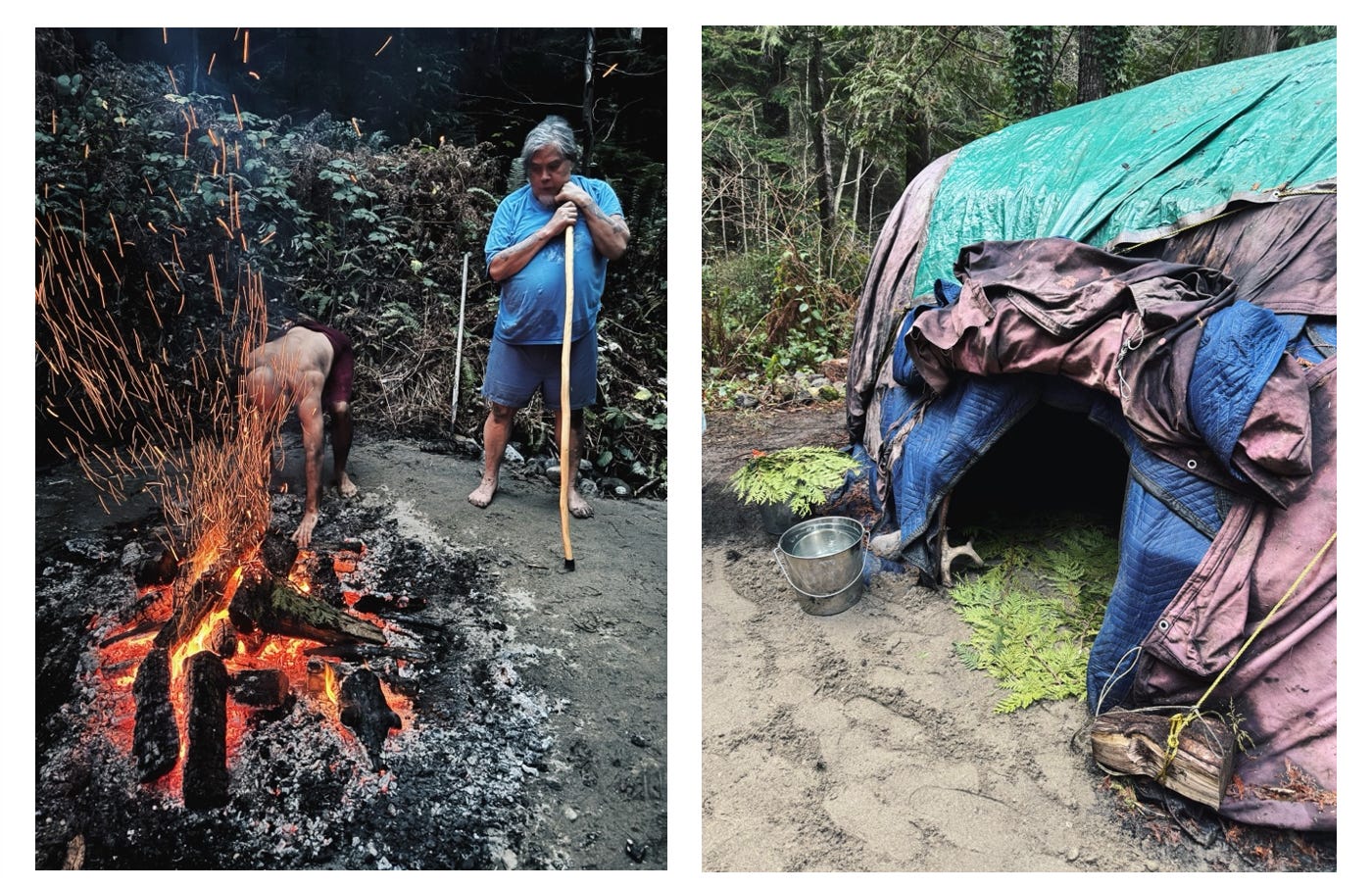
I’ve participated in Indigenous sweat bathing practices in Canada and Mexico. We sit in ceremony for 3-4 hours, speaking to ancestors, praying, singing, drumming and sharing what weighs heavy on the heart. Shoulder to shoulder, sitting on the ground, in complete darkness, we hold space for each other in what is called the earth’s womb. There is no script. What emerges in the heat is voluntary, organic and honest.
As elder Howard from the ShÍshálh Nation shared with me: “The sweat lodge is our medicine, it’s for healing, from trauma(s), grief and sorrow, from losing a loved one, sadness, loneliness, a feeling of not belonging, addiction, experiences of violence and being abused.”
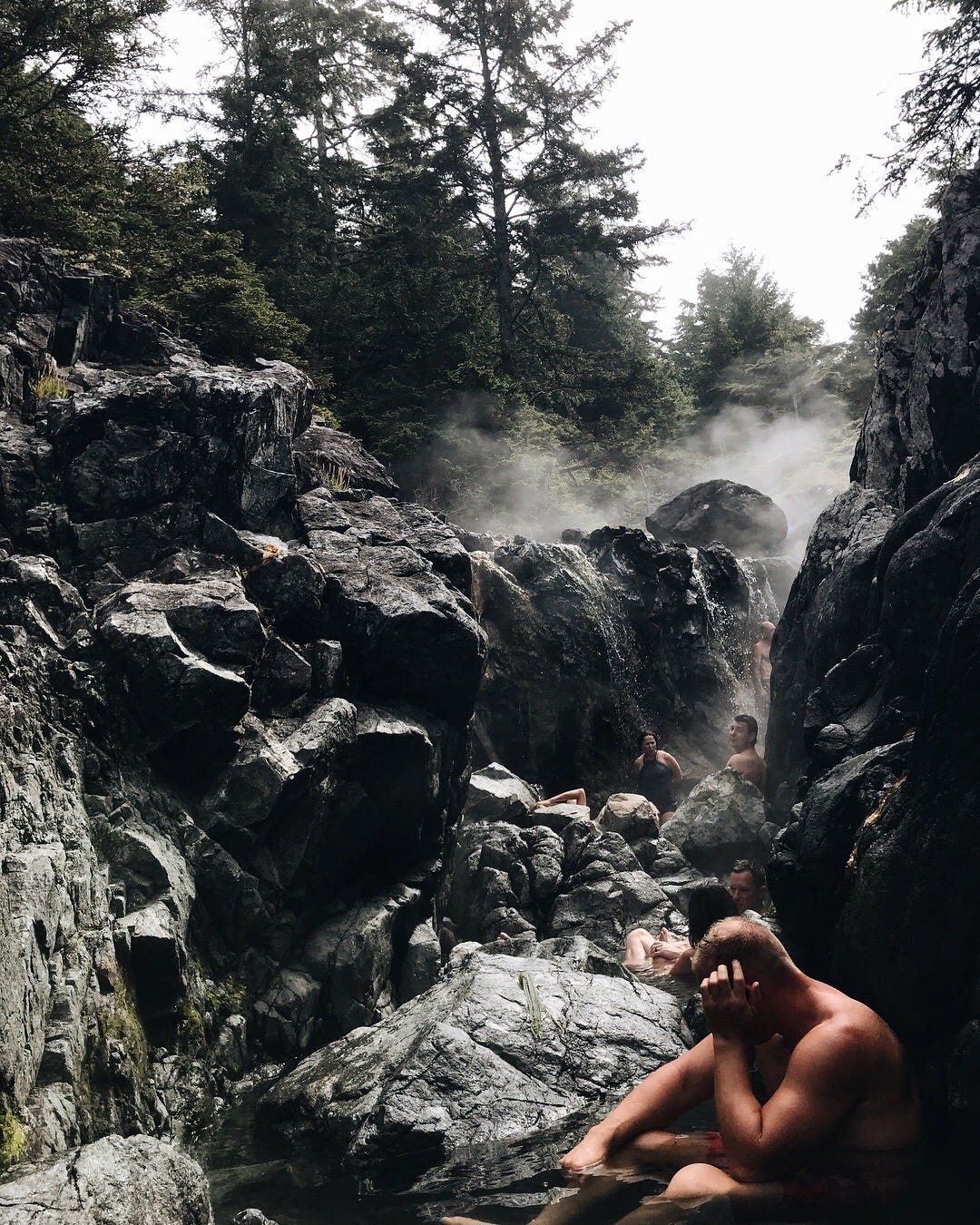
Bathing cultures in their physical, social and spiritual elements offer communal spaces that bring people together to process, recover and build tools and resources needed to adapt to difficult times. By being stewards of these cultures and their rituals, we can better care for our collective resilience and together resist some of the heavy burdens we face today.
Azar Eskandarpour is a humanitarian aid worker, resilience scholar, and founder of Humans Who Bathe.
News, happenings and openings
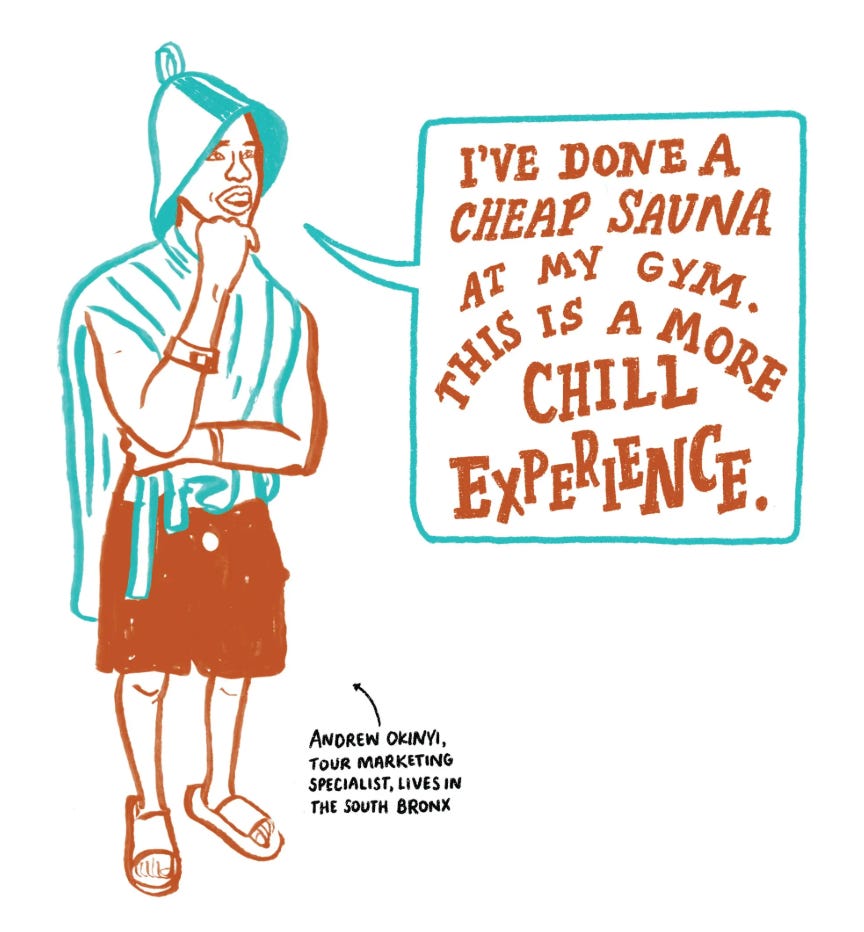
New York Times’ Sketch Pad caught the mood at Culture of Bathe-ing, including some brilliant quotes from those who braved the cold
Bill Gifford is on tour with his new book Hotwired. He’ll be at Othership Williamsburg on Wednesday, April 8th at 5:30 pm. You can purchase your ticket HERE.
A heart-shaped tub is on show at Art Basel Hong Kong in Chan Wai Lap’s quirky installation Jeremy’s Bathhouse. Monocle was there
GQ goes deep into the science of sauna blankets, sorting the truth from the marketing speak
Four bathing authors share the bench in the latest Sauna Talk episode, recorded at Culture of Bathe-ing
Christopher Selman gathers 36 Ridiculously Good-looking Saunas in a new book for Gestalten
The first research into the power of collective sauna rituals has been published in the UK. Read British Sauna Society’s summary
CN Traveler recommends nine hot spring hotels where mineral waters are the main attraction
Just out, Sauna Channel’s film The Big Bang: The 2014 Perfect Sweat Summit recalls the gathering that sparked the US bathing boom
One last thing
A Late Night moment for sauna comedy
We’d love to hear from you - please send a DM, or email hello@cultureofbathe-ing.com
I love these two!!!