

This week we spotlight two exhibitions that explore bathing and swimming. In New York, Ryan Lee Gallery presents Emma Amos:Bathers (Sep 10-Oct 24), a survey of Emma Amos’s works depicting Black figures bathing and swimming. In October, the Musée des Beaux-Arts Le Locle (MBAL) in Switzerland turns its attention to the swimming pool as a significant motif in contemporary art with For One Solid Time, Wet: The Swimming Pool in the Imagination. Spanning sculpture, painting, photography, and video, the two exhibitions explore the pool and the bather as spaces of pleasure, freedom, intimacy, politics and imagination. Further down we take a look at The Beach Book by Gloria Steinem and share stories from this week’s bathing news.
Emma Amos
What does it mean to see Black bodies at ease in water? For Emma Amos (1937-2020), bathing and swimming became a recurring subject throughout her career, a space for exploring freedom, pleasure, and the politics of visibility.
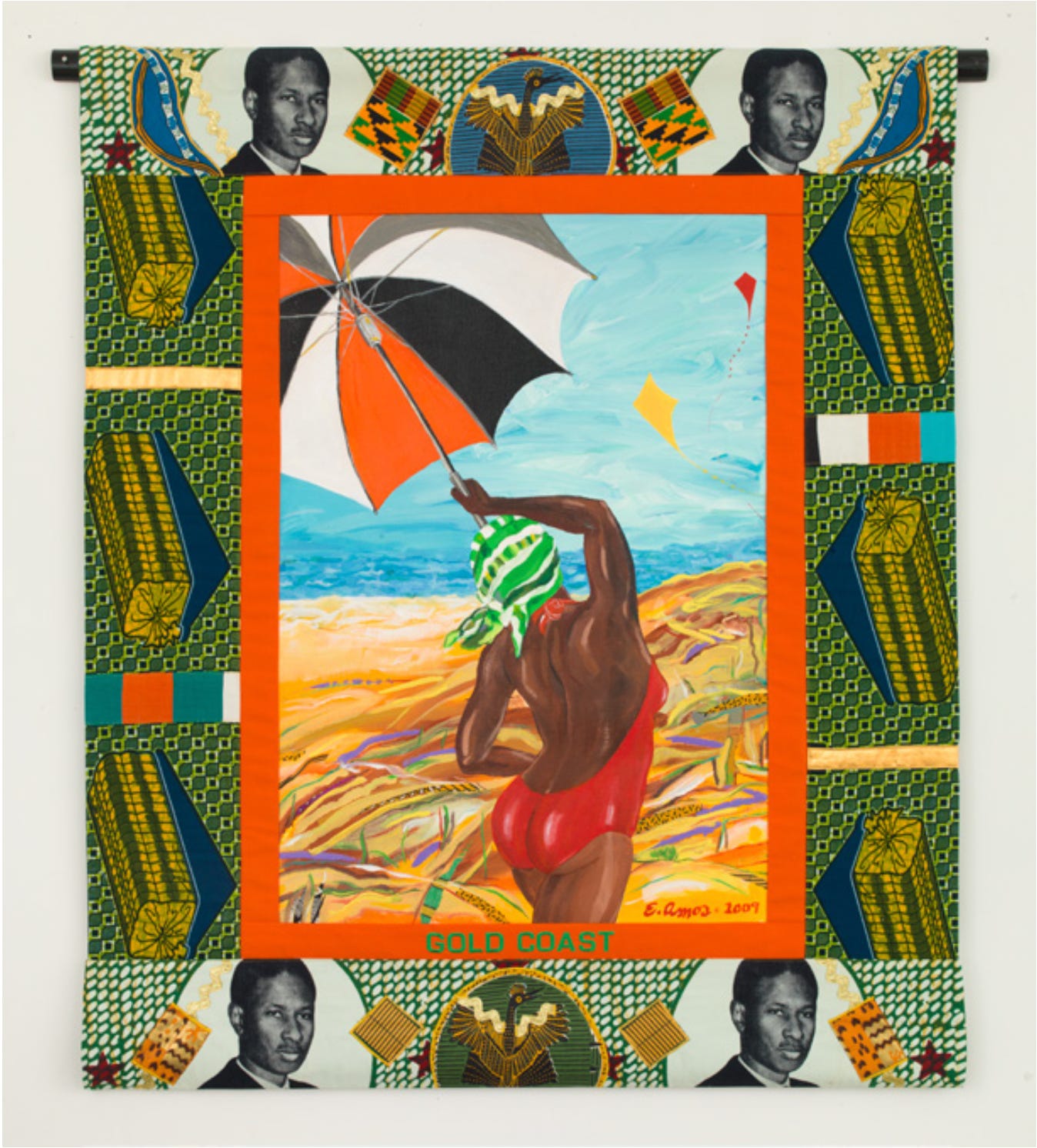
Bathers, now on view at Ryan Lee Gallery, brings together five paintings and seventeen works on paper made between 1966 and 2009. Amos depicted mostly women swimming, lounging, and simply being near the water. “These pictures represent freedom to me, a definite letting go,” she said.
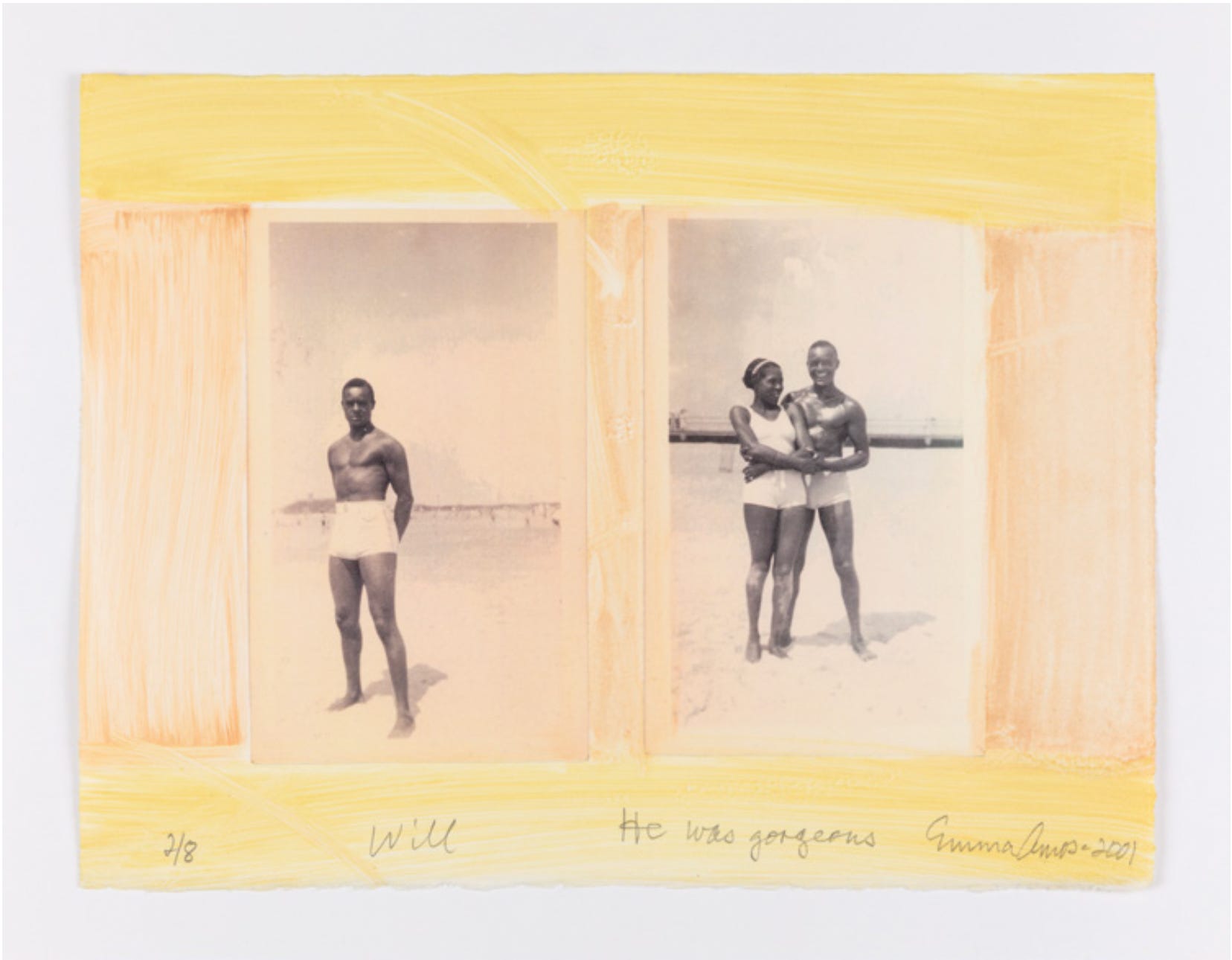
The works are full of that sense of release. Tawny browns, sun-soaked oranges, and watery blues create scenes of warmth and contentment, and Amos’s figures appear confident, self-possessed, and entirely at home in their surroundings.
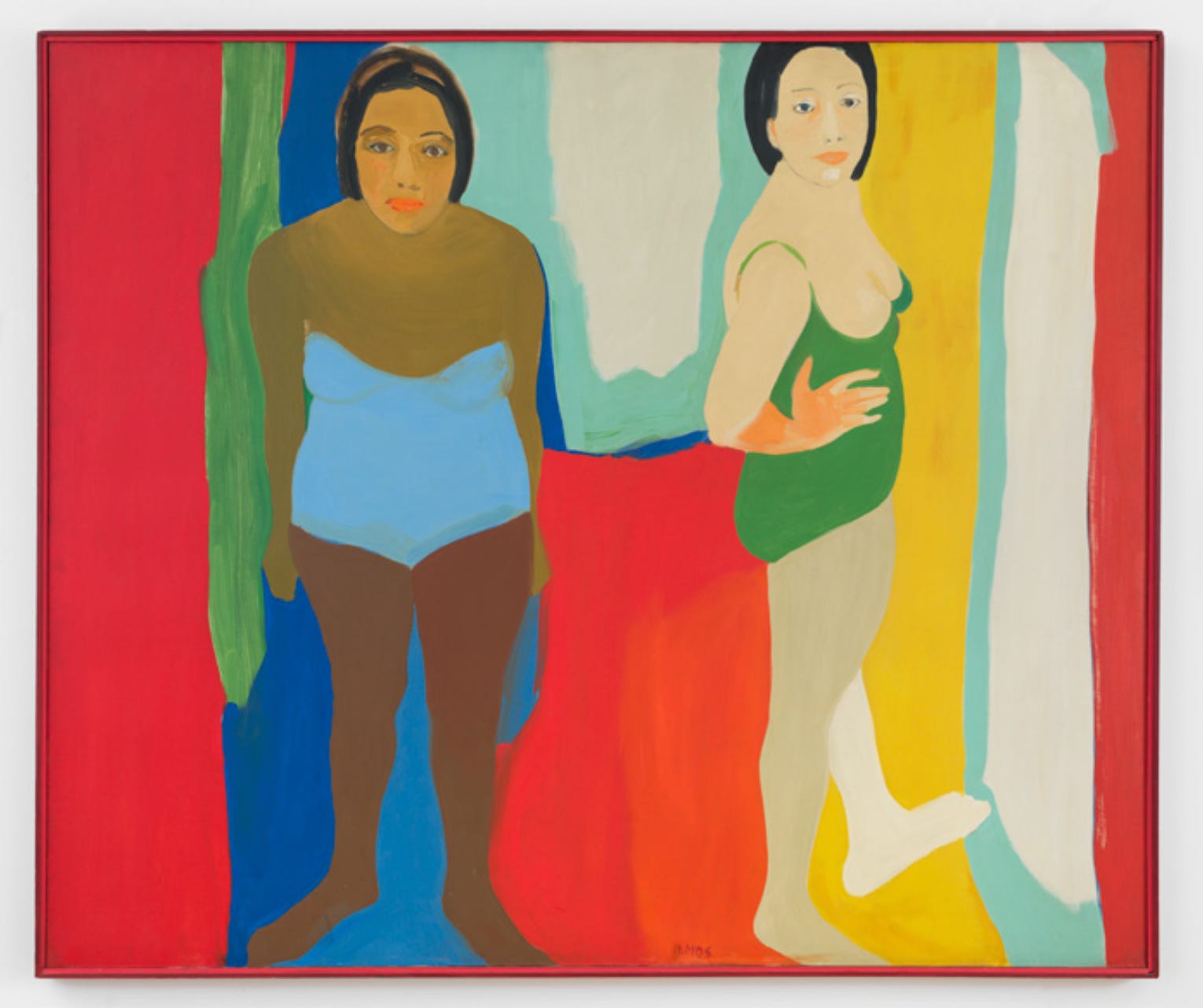
But this ease carries a deeper history. As a child growing up in Atlanta, Amos spent time at the segregated Washington Park Pool. Her images of Black leisure and pleasure sit against a long American history of segregation and discrimination, when swimming pools and beaches were divided according to the logic of “separate but equal.”
“These pictures represent freedom to me, a definite letting go”
Emma Amos
Amos was also conscious of the more intimate ways that race and water intersect. She observed that “so many of us Black women never enjoyed water” because of the fear of unleashing “the terrible mass of tangled hair” that could break combs and bring tears. Water, in these works, is therefore both a site of freedom and a reminder of the barriers that have shaped who gets to experience that freedom.
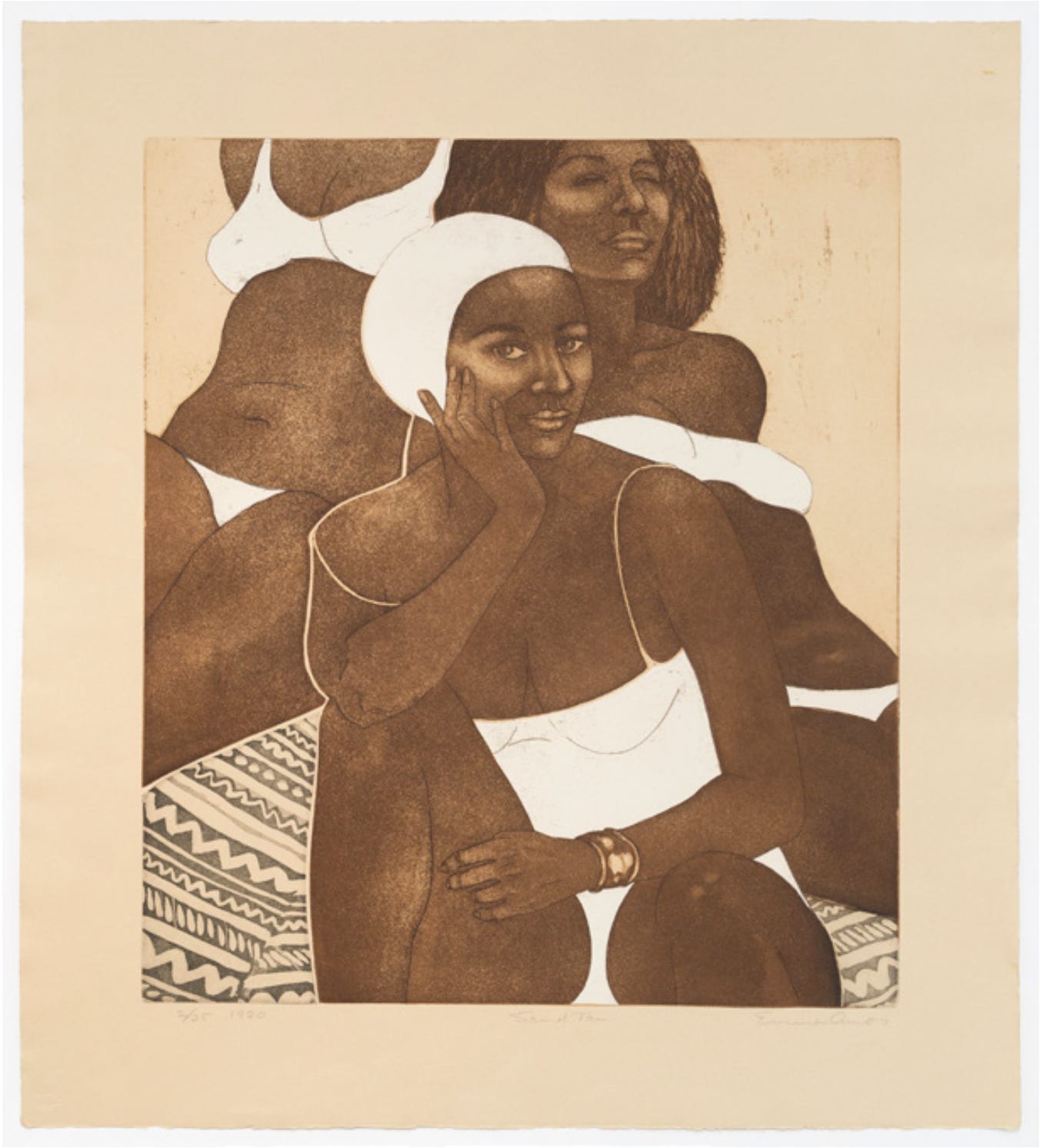
The bather has long been a familiar figure in Western art, from Titian to Cézanne, but Black women were largely absent from this tradition. Amos’s Pool Lady and related works place Black women within this history, while deliberately avoiding the conventions of the nude bather. Her figures are dressed, composed, and self-possessed, presented not as objects of spectacle but as people enjoying the water on their own terms.
For One Solid Time, Wet: The Swimming Pool in the Imagination
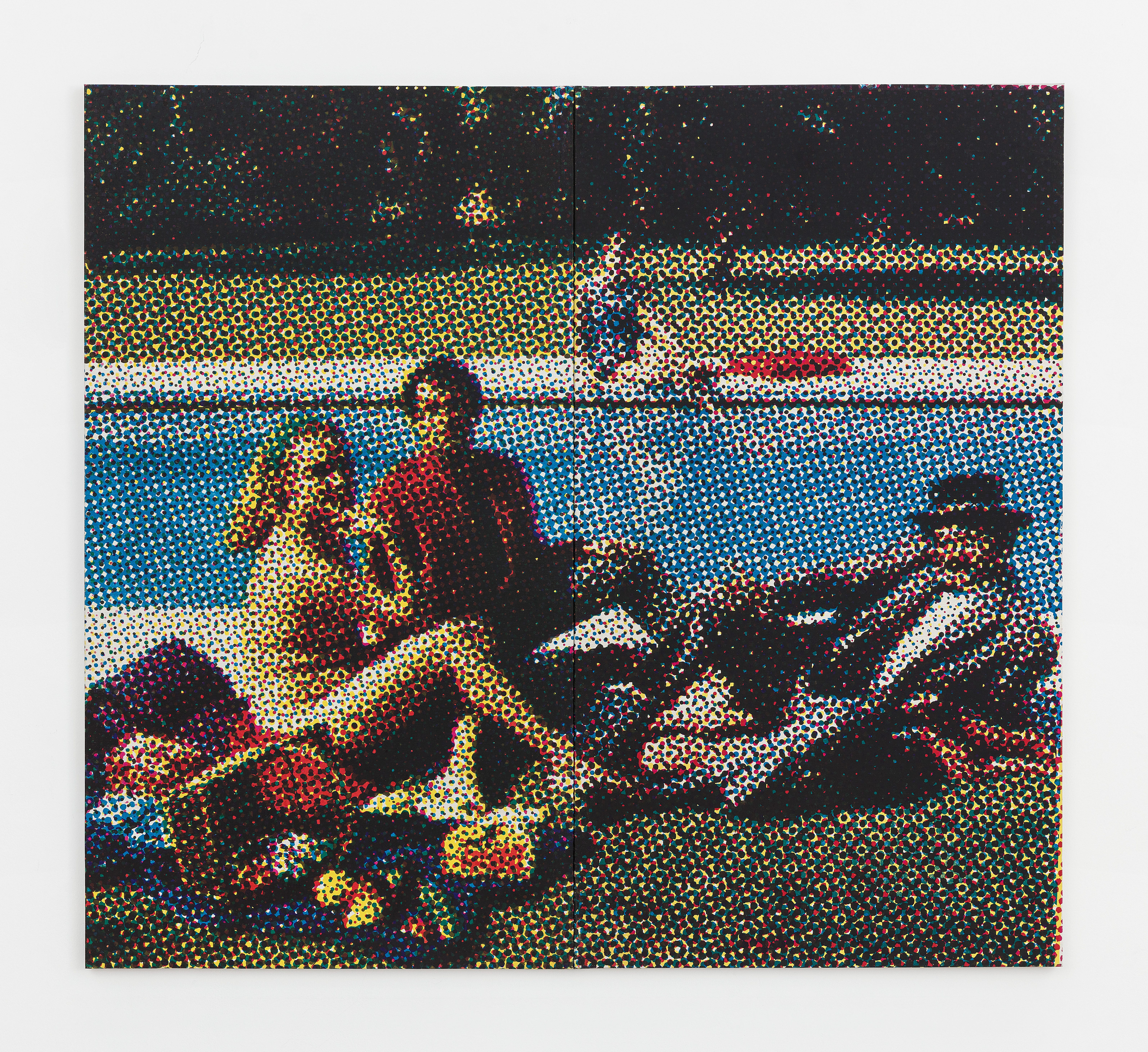
What happens when a swimming pool becomes an artwork? At the Musée des Beaux-Arts Le Locle (MBAL), a strange piece of institutional history has inspired For One Solid Time, Wet: The Swimming Pool in the Imagination, an exhibition exploring the pool as one of contemporary art’s most evocative spaces. Running from October 2, 2026 to February 21, 2027, the exhibition is co-curated by Federica Chiocchetti and Lou Stoppard.
The story begins with a rumor: at one point, local politicians proposed closing the museum and replacing it with an indoor swimming pool. The museum survived, but the threat became the starting point for an exhibition that asks what these two spaces might have in common.
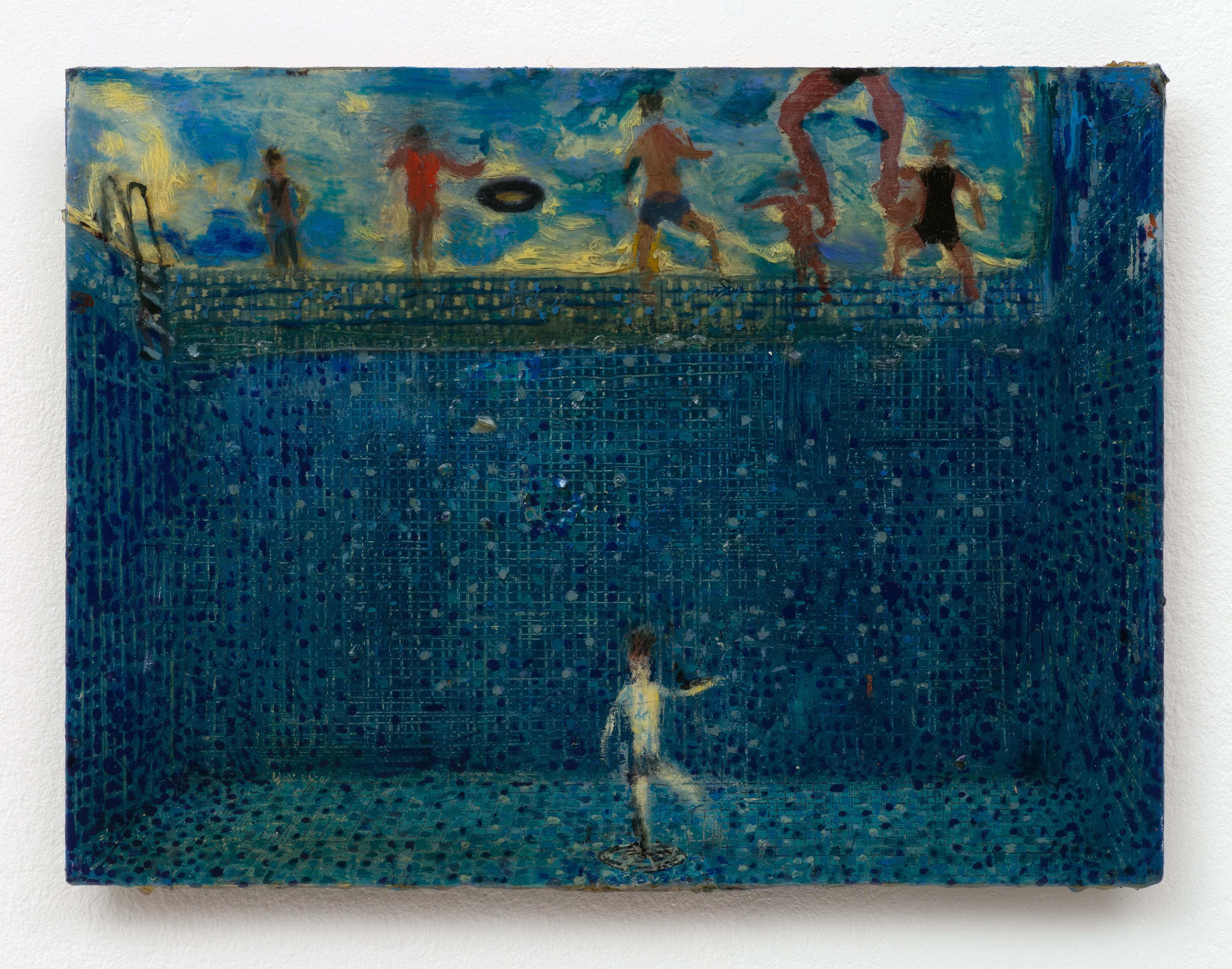
Like a museum, the pool is a carefully controlled environment. Its geometry, lighting, temperature, water and rules choreograph how bodies move and behave. Both are spaces where disorder is held at bay, while simultaneously becoming places for dreaming, escape and imagination.
Across works by more than 30 international artists, the pool takes on very different meanings. Rossella Biscotti’s Restoration of an Empty Pool documents the slow process of cleaning an abandoned swimming pool at Rome’s Foro Mussolini, while Larry Sultan’s photographs of swimmers reveal a strange tension between the calm surface of the water and the chaotic bodies beneath it. Alain Jacquet replaces the natural landscape of Manet’s Le Déjeuner sur l’herbe with a swimming pool, turning a familiar art-historical scene into something distinctly modern.
“I came to see the gallery space as much like a pool. It is a space where behavior is directed and managed. Where one moves in ordered forms, takes predefined and set routes and laps.”
Lou Stoppard
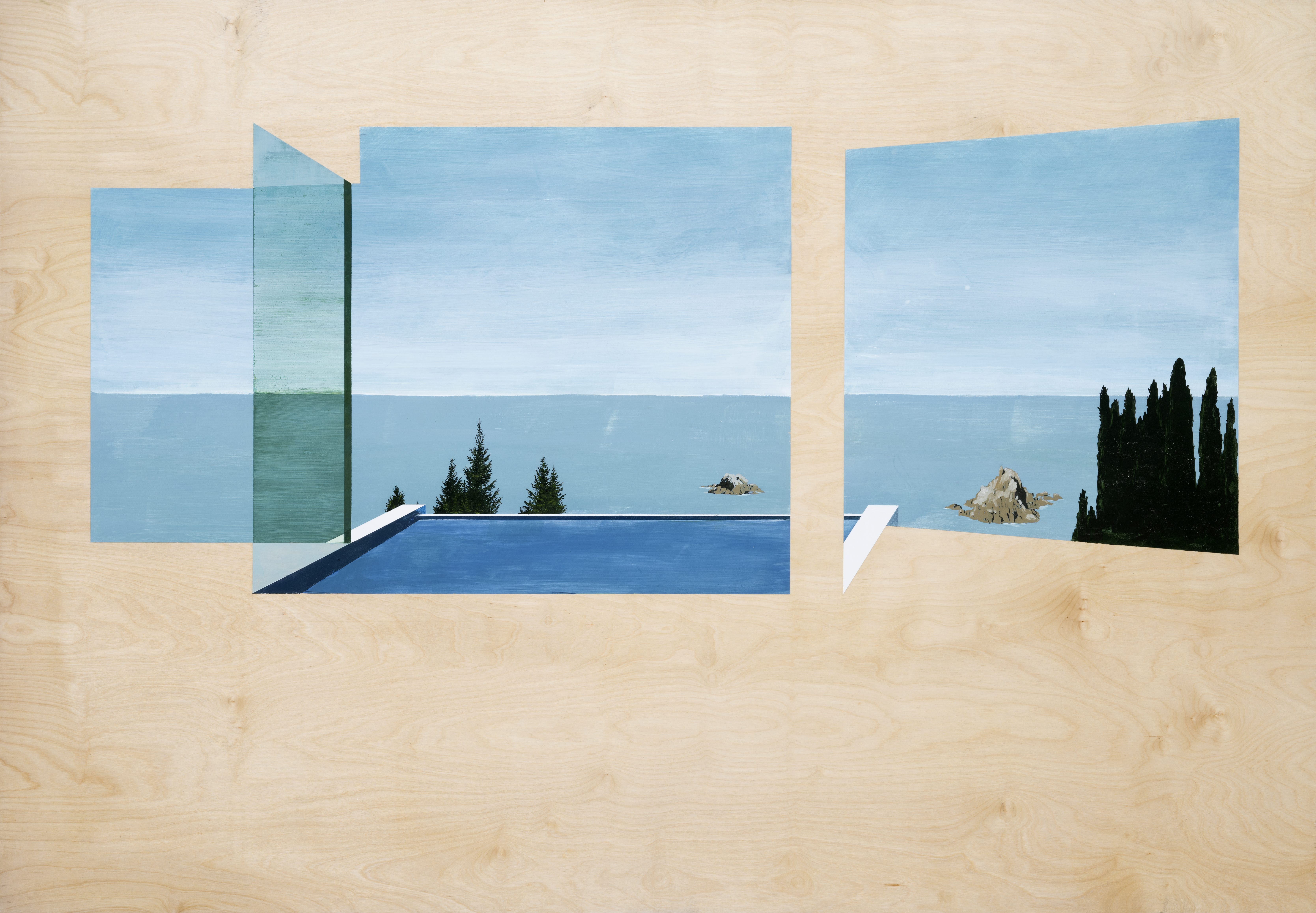
The exhibition also asks harder questions. Swimming pools can symbolize prosperity, leisure and wellbeing, but against climate crisis and dwindling resources they also reveal the inequalities surrounding water. A private pool can represent abundance at precisely the moment when water itself is becoming increasingly scarce.
We asked curator Lou Stoppard to answer some pool-related questions:
CULTURE OF BATHE-ING: Why do you think pools are such political places?
LOU STOPPARD: I think the pool’s story is deeply entwined with issues of class, status, access, as well as broader issues related to urban planning, or water crisis. It’s the paradox of the pool: as something that welcomes, and excludes, that makes it so political. And you see that paradox reflected in the works by artists that engage with the pool within this exhibition: they are using it as a symbol of both prosperity and catastrophe, joy and solitude, a metaphor for our search for order and serenity in the face of an increasingly uncertain future.
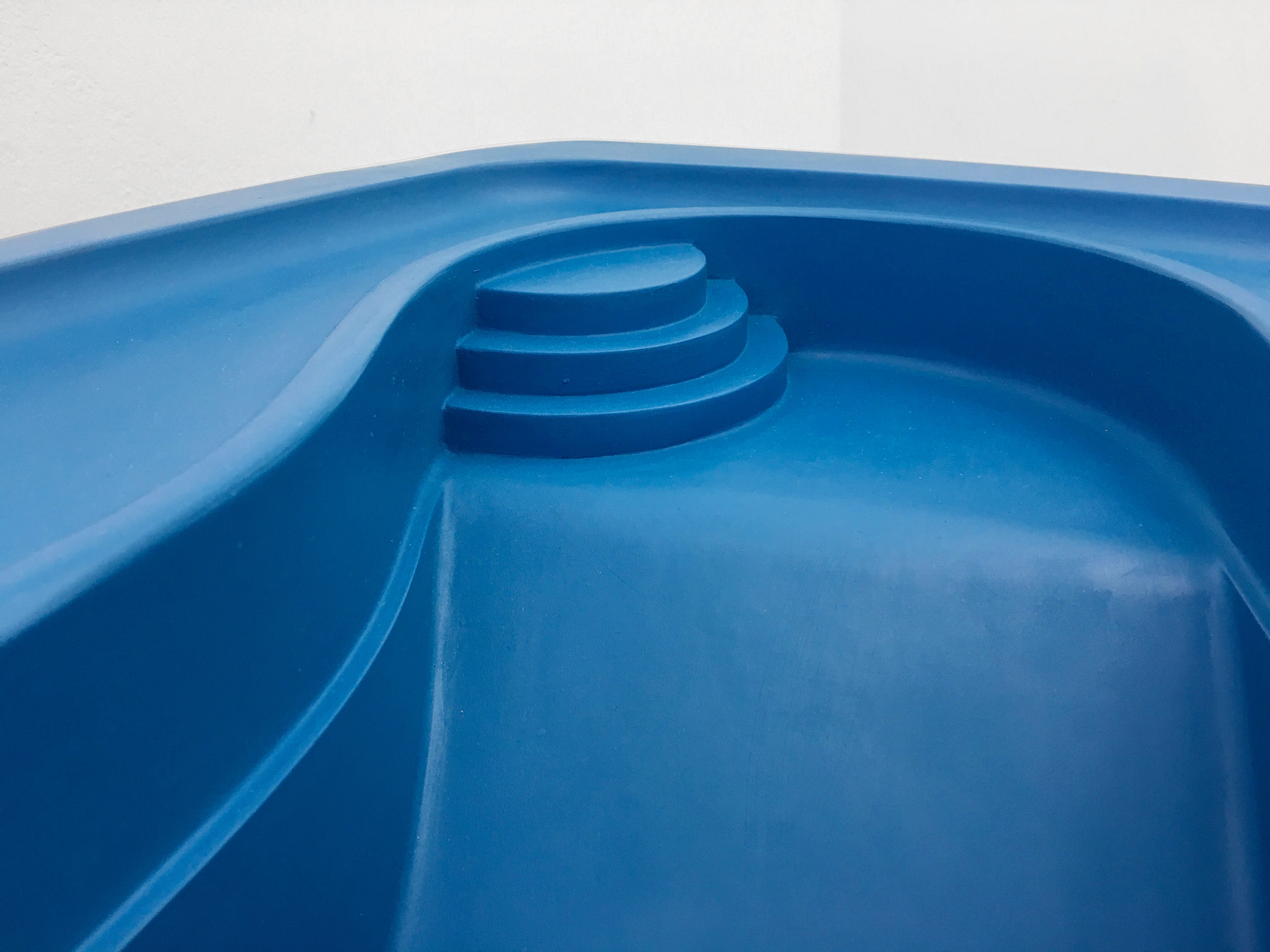
COB: With the swimming and the swimming pool being such a depicted subject in both historical and contemporary art how did you and Federica narrow down the pieces you wanted to show?
LOU: We were interested in showing works that engage with different themes to do with the pool: from the pool in relation to class and social hierarchy, through to the motif of the swimmer, through to the comparisons that can be drawn between the pool and the camera, screen, frame or canvas: spaces where action occurs but is contained and firmly delineated, held within a fixed form. We were particularly interested in works that engage with the repetitive nature of the pool, as a space and as a motif. So there are several works that pay homage to other, earlier works, such as Alain Jacquet’s Déjeuner sur l’herbe, which reworks Édouard Manet’s famous 1863 painting into a contemporary tableau, nodding to a longer heritage of water scenes across art history. In Jacquet’s version, Manet’s stream becomes a shiny blue pool, its boundaries firm and hard: a symbol of modernity, consumption. These homages and reappropriations are really important to the show: they lap in the same way a swimmer circles a pool, turning back on herself constantly.
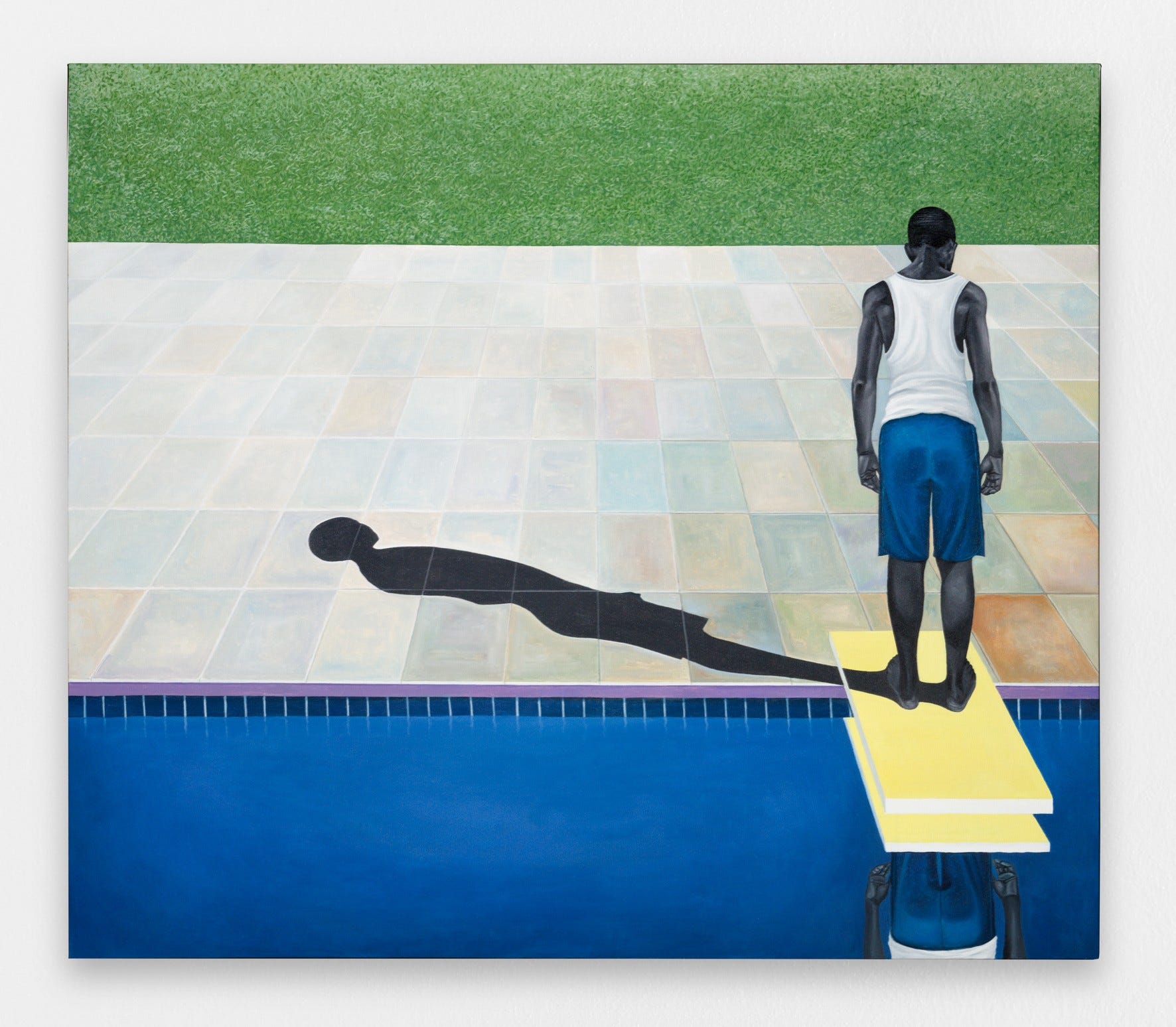
COB: Can you tell us about a few of your favorite pieces in the show?
LOU: I don’t have favorites. But there are some really special works. Obviously, I’m thrilled to include a David Hockney work in the show, as he is really central to establishing the pool as a complex and addictive subject for artists: glamorous, seductive, strange; a feast of colors, patterns, lines and light. We are showing, Gregory in the Pool, taken from his Paper Pools series, which was made in 1978 during a flurry of experimental activity with paper pulp and water. And I’m thrilled to show works that embody the pool, rather than simply representing it. For example, I’m such a huge fan of Hilary Lloyd, so I’m happy to show her film installation One Minute of Water, in which footage of sunlight reflecting off water is shown on a loop, encased within a monitor. Water is trapped, first by Lloyd’s lens, and later by the monitor. Therefore, the work itself becomes a swimming pool – a box of water: mesmerizing, consistent and yet seemingly ever changing. And I’m thrilled to show Elisabeth Tonnard’s One Swimming Pool, a book that functions as a portable swimming pool. The book is bound using an adhesive that allows the sheets to be taken out. Doing so will destroy the book in its original form; in the same way the construction of a pool requires a break down or destruction of what was there before. The work takes an entire day to install.
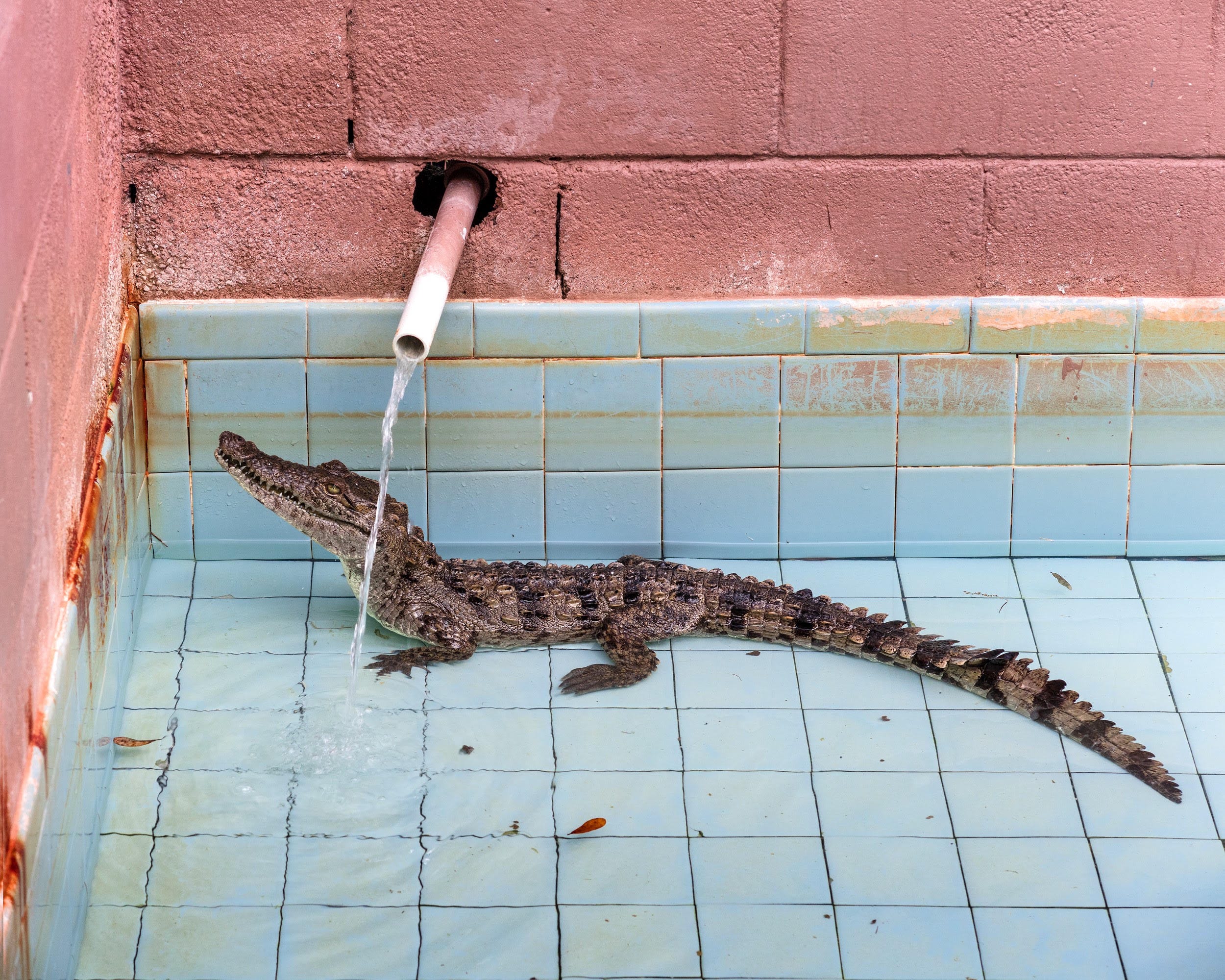
COB: Has curating this exhibition changed the way you go to the swimming pool yourself?
LOU: I think if anything it’s changed the way I see the gallery, or museum, as a space, rather than the pool itself. The two began to bleed together in my mind, and I came to see the gallery space as much like a pool. It is a space where behavior is directed and managed. Where one moves in ordered forms, takes predefined and set routes and laps. Where the “uncontrollable”, as Joan Didion puts it, in her essay on California pools – water, art, creativity – is made usable, boundaried. And where someone sits and watches carefully in a place of authority – a lifeguard, an invigilator - slightly elevated, either physically or by suggestion, keeping watch, ensuring that no one breaks the rules or threatens to disturb the peace. In both spaces there is only a veneer of freedom.
The Beach Book, Gloria Steinem 1963
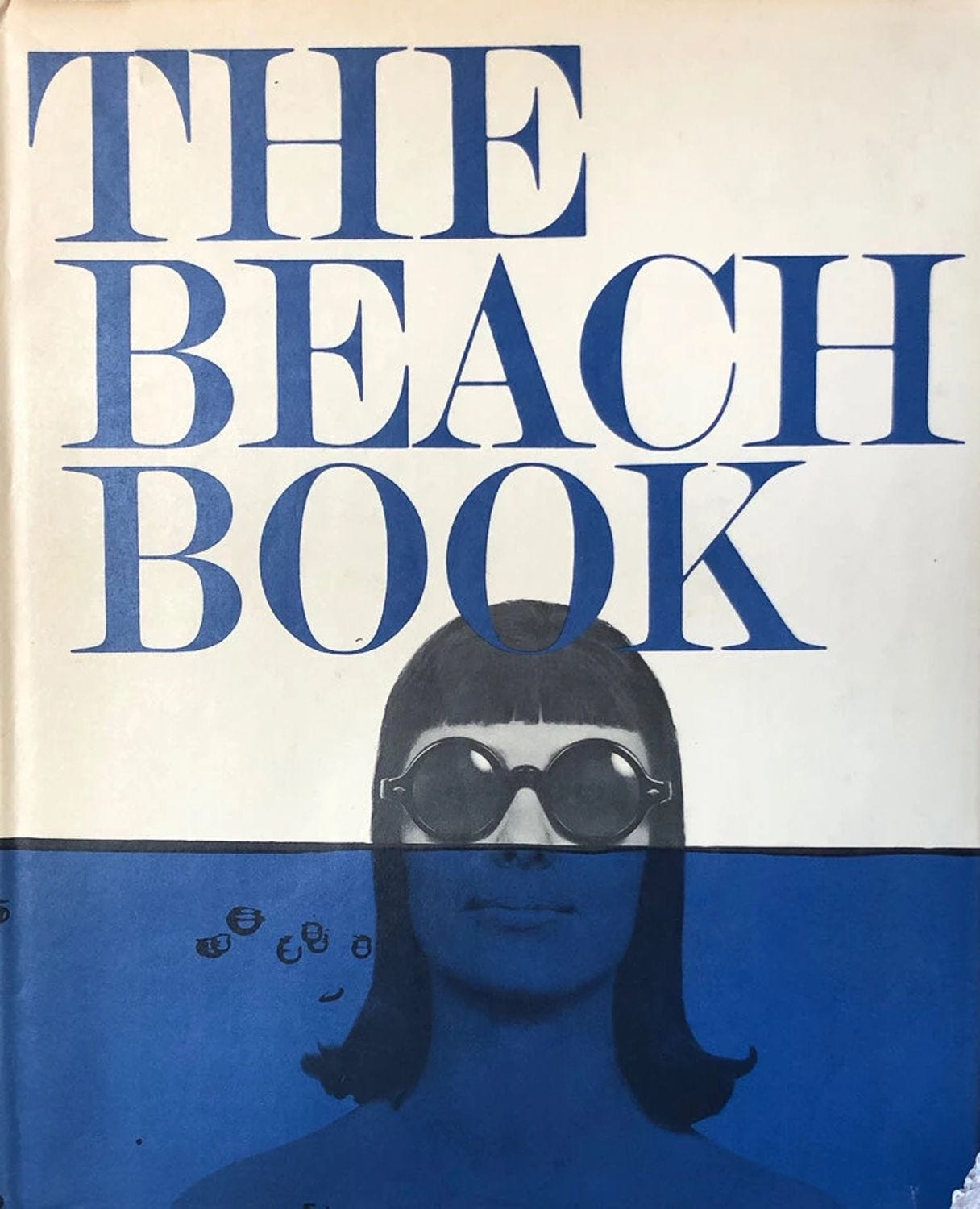
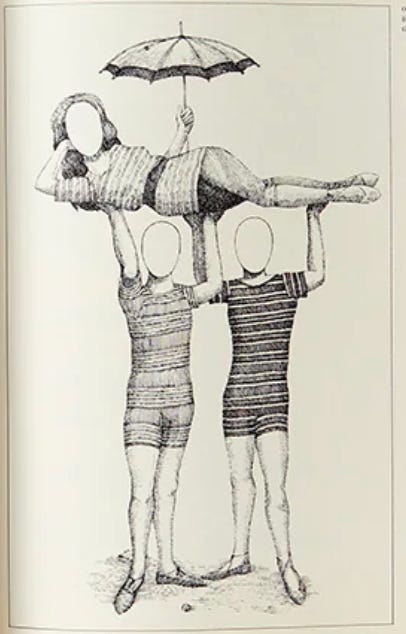
Revelling in the obituaries for the inimitable Gloria Steinem reminded me of her first book, the long forgotten The Beach Book, (1963). In this deliciously meandering anthology intended to be picked up between swims and naps, Steinem covers anything from how to build a sandcastle, fly a kite or bury a companion in the sand to the perfect tan (golden brown), subjects to fantasise about and what to read. Tongue squarely in cheek, she includes excerpts from Conrad’s Typhoon, D-Day landing accounts and the flood narrative in Genesis. The physical object is also part of the joke - reflective foil on the interior of the cover doubles as a tanning aid. The illustrations by Chas B. Slackman (apparently not a pseudonym) are delightfully period and loopy.
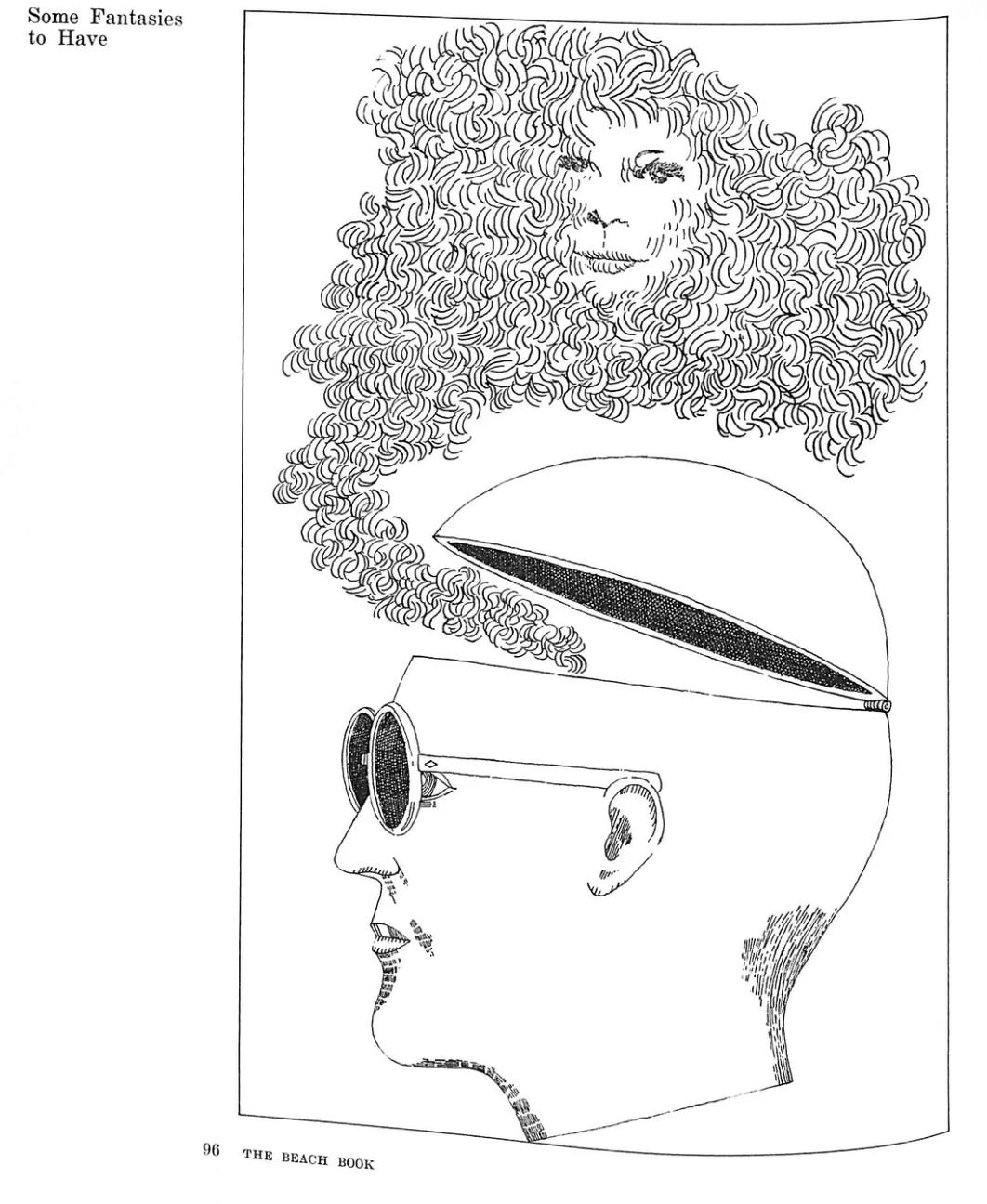
But Steinem’s real subject is not sand as much as leisure and idling. An intriguing diversion from her political work - The Beach Book was published in the same year that Steinem went undercover as a Bunny to report on sexism at Playboy - Steinem insists on the the value of play, daydreaming and doing nothing at all. As the blurb on the back says the purpose of The Beach Book is to “make you feel better about wasting time on the beach.”
News, happenings and openings
Do you sauna during a heat wave? Repeated use of
saunas could help people cope better, reports The Guardian
For more bathing art, To the Sea opens at Sweden’s National Museum, Stockholm, September 24. More info
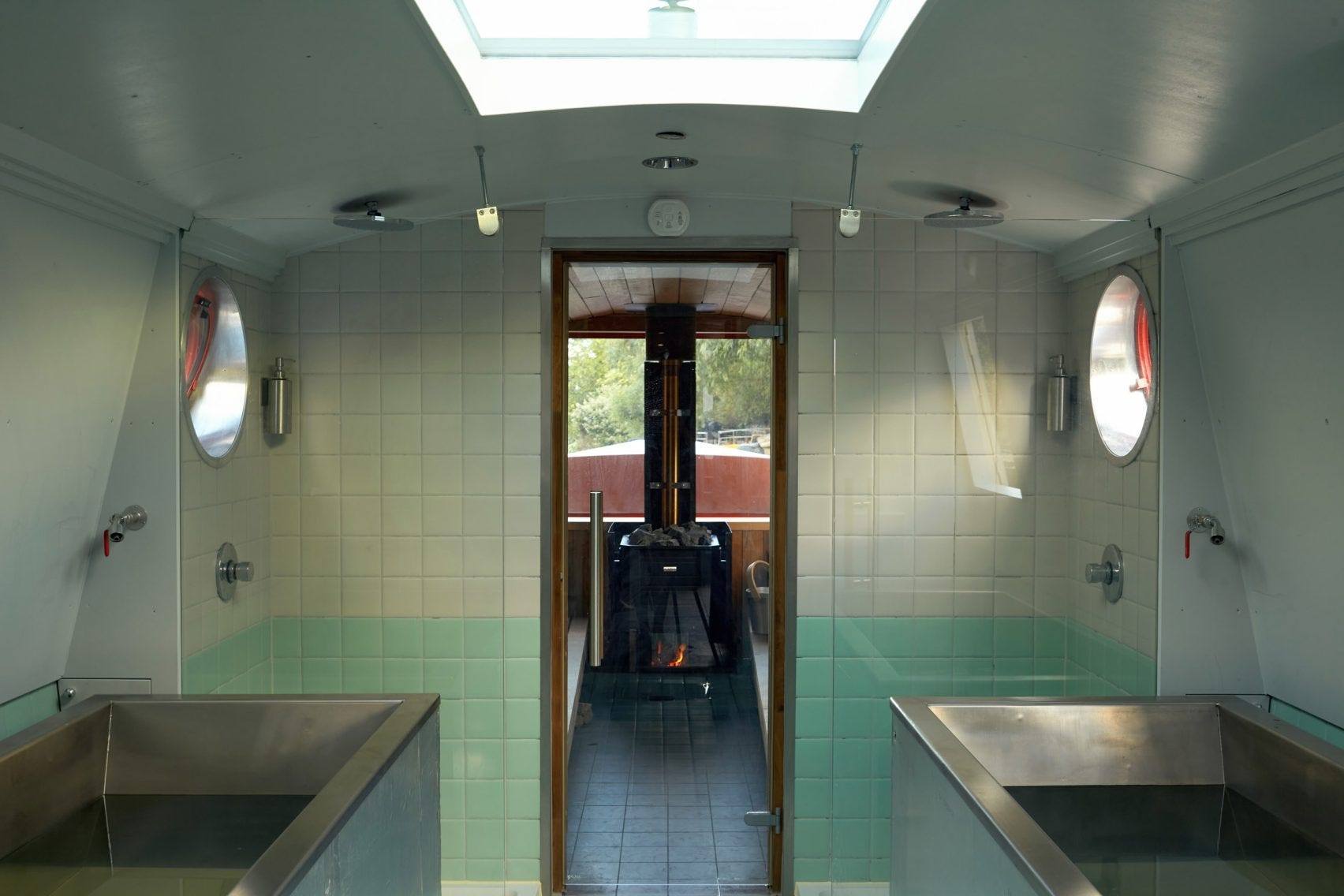
Deezen highlights architecture collective Badweather’s conversion of a canal boat into an off-grid bathhouse, Soak
San Diego repeals an outdated “homophobic” bathhouse law, reports NBC San Diego
One last thing
Genkiro steam sauna in Japan is also a mesmerizing art installation
We’d love to hear from you - please send a DM, or email hello@cultureofbathe-ing.com
Culture of Bathe-ing is presented by Therme Group